The $300B Company’s Blind Spot: How Amgen's Perfect Security Posture Became Worthless
Amgen just got breached. Patient data stolen. Proprietary research gone. Financial records exfiltrated. Material incident. SEC filing. Notification letters to patients.
The world's leading biotech company with over $300 billion in market cap, world-class security teams, compliance certifications, audits, controls just got hit.
Now here's the part that should terrify every CISO reading this:
Amgen's network was never touched.
Their firewalls held. Their endpoint detection worked flawlessly. Their identity management locked everything down. Every security control performed exactly as designed.
None of it mattered.
Because the breach didn't happen inside Amgen. It happened inside a third-party cloud vendor Amgen trusted to hold patient data. An attacker got access to that vendor's system. For weeks, they downloaded records, proprietary data, financial information. Amgen had zero visibility into what was happening.
They didn't see the breach. They couldn't stop it in real-time. They found out after the attacker was gone with everything they needed.
The vendor breach became Amgen's breach. And Amgen's perfect security posture didn't matter.
The World's Leading Biotech Company Had Zero Visibility Into What Data Lived Where In Their Vendor Ecosystem
The Real Story

Amgen is a $300 billion pharmaceutical company. They have world-class security teams. They have compliance certifications. They have audits. They have controls.
But here's what Amgen couldn't see:
Which vendors held patient PHI. How much. Where it sat in their infrastructure. Who had access. When it was being accessed. Whether the behavior was normal.
They were flying blind to their own external attack surface.
And they're not alone.
This Isn't Isolated
In just the last three months, we've seen a coordinated pattern of third-party breaches targeting major enterprises.
Deutsche Bank (July 2026): A German marketing platform vendor got compromised. Employee credentials, password hashes, internal records. Deutsche Bank's own infrastructure stayed untouched, but the attackers now had everything they needed to move laterally into the bank's ecosystem.
Lidl (June 2026): An IT service provider vendor got breached. Customer names, emails, phone numbers, dates of birth from 12,000 stores across Germany, Belgium, and the Netherlands. Millions of customers exposed. Lidl's infrastructure clean. But their entire customer base flowed through a vendor they couldn't monitor.
EY (March-July 2026): Support platform vendor compromised. Tax documents and financial records stolen. These aren't just any files. These are the blueprints of client businesses. Attackers now have everything needed to commit fraud or identity theft against EY's clients.
If you want to see all the major third-party breaches this year, you can do that here: https://learn.frontierzero.io/third-party-breaches-frontierzero/
This wave didn't start in March. It started before that.
Qantas (2025): Third-party API breach. Customer loyalty data exposed. Names, email addresses, loyalty numbers, dates of birth. Immediately usable for phishing campaigns targeting Qantas customers with surgical precision. The breach cost executives $250k from their bonuses.
JLR (2025): Another vendor breach. Customer personal data exposed. Names, addresses, contact information. Foundation for social engineering and credential stuffing attacks. Final cost: 2 billion pounds.
Why This is Still Happening Now
According to Verizon's 2026 Data Breach Investigations Report, 48% of all breaches now involve a third party. That's up 60% from the previous year.
This isn't a trend. This is a fundamental shift in how attackers operate.
They stopped targeting you directly. Your firewalls are too strong. Your detection is too good. Your security team is watching.
Instead, they target your vendors. Because vendor security is weaker and the payoff is massive.
You're Flying Blind
Here's what most IT and security teams can't answer right now:
How many vendors actually have access to your sensitive data? Not the ones you remember. The actual number. Most teams are shocked when they count.
What specific data flows to each vendor? Where does it sit in their infrastructure? Who has access to it on their end? Can they download it? Export it?
What's happening inside those vendor systems right now? Is someone accessing your data at this moment? Has anyone downloaded files today? Are permissions changing?
If someone exfiltrated your customer database from a vendor's system tonight, when would you find out? EY found out 11 days later. Most companies find out weeks or months later. Some never find out unless the attacker publishes it.
Amgen had strong identity management. But they couldn't see inside their vendor's platform. They didn't have monitoring. They couldn't detect unusual activity. They found out too late because they were blind to what was happening outside their network.
How to See It Coming
Start with discovery. You need a complete, accurate inventory of every vendor, SaaS application, and service provider with access to any sensitive data. Not the ones you remember. Not the ones on your approved list. All of them.
Most enterprises have 50-100+ SaaS vendors. Security teams typically know about 20.
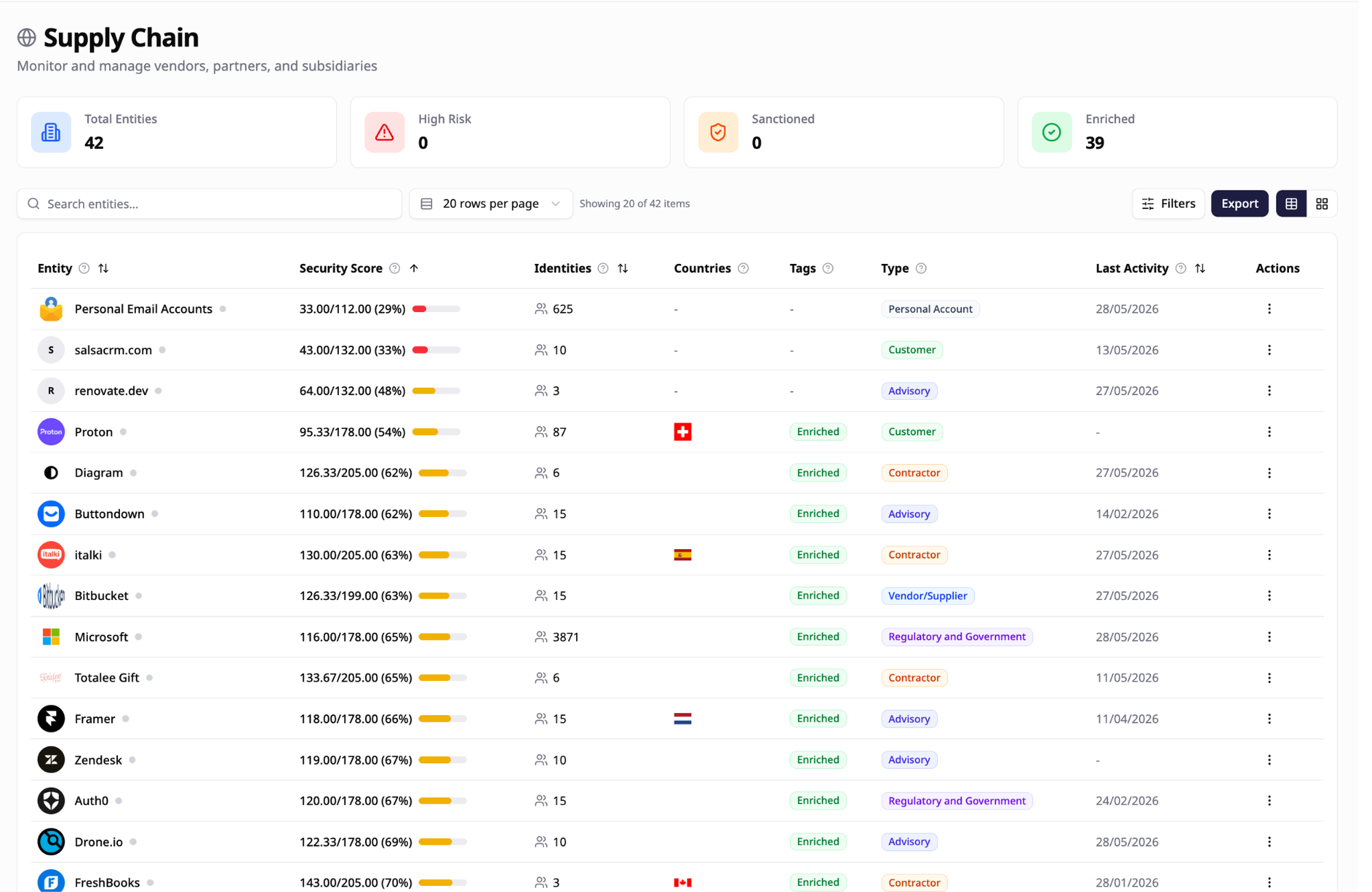
Map your data flows. For each vendor, understand what specific data they receive. How often. Where it sits. How long it's retained. Who on their side has access.
Establish what normal looks like. Normal activity inside your vendors' systems looks different than normal inside your network. You need baselines for login patterns, data access, permission usage, bulk downloads.
Monitor continuously. This can't be an annual audit. Attackers had weeks inside vendor systems before detection. You need real-time monitoring of access patterns, data flows, permission changes, unusual activity.
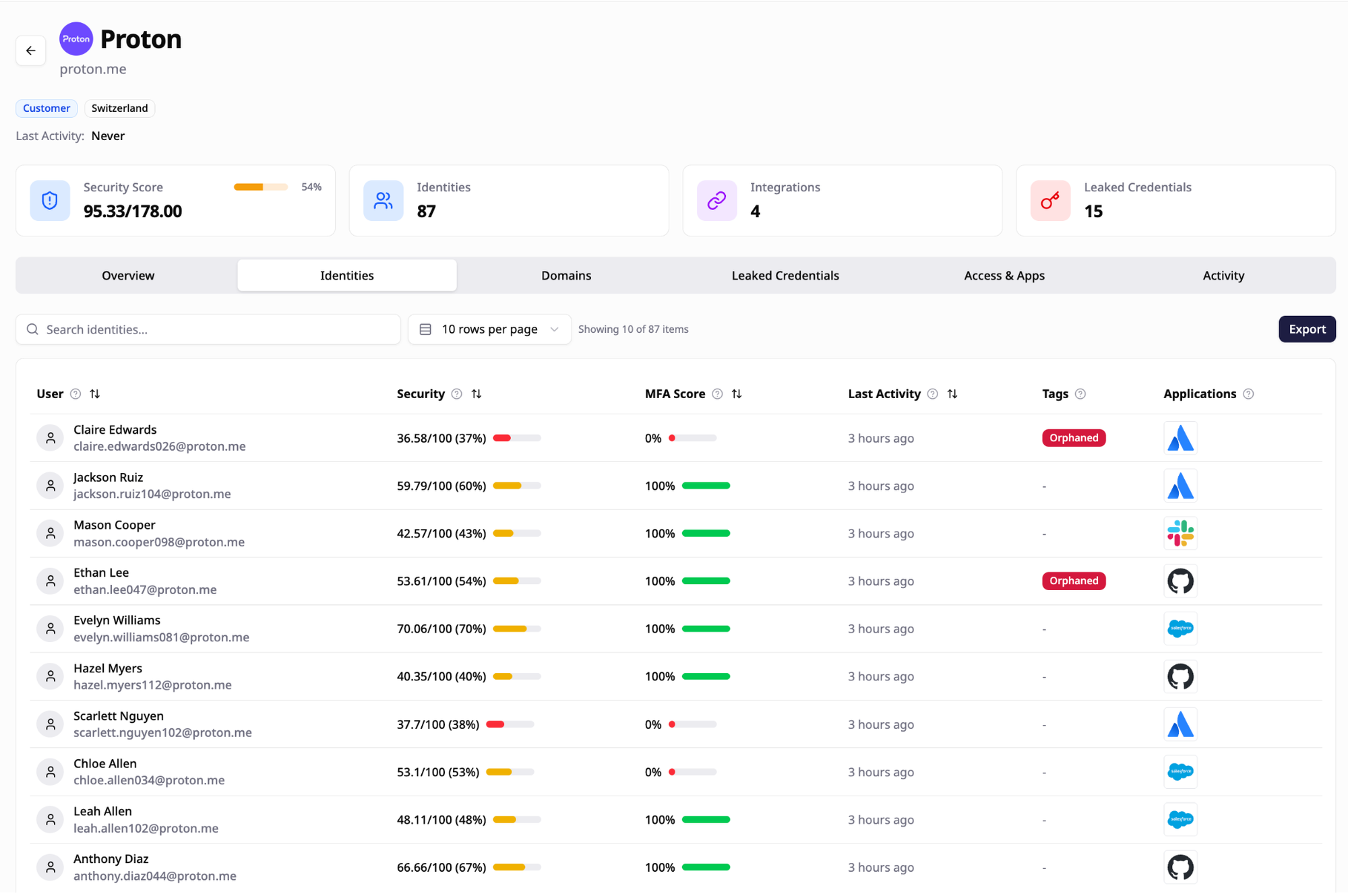
That's where breaches hide before they become headlines.
What This Means for You
Your vendor's security is your security now.
You need to see what your vendors have. You need to see who's accessing it. You need to see when behavior changes.
Not because it feels good. Because attackers are already inside your vendor ecosystem right now, and you have no way of knowing.
If you want to stop guessing:
FrontierZero does this automatically across your entire SaaS ecosystem. We discover all your vendors. We establish baselines for normal behavior. We monitor access patterns in real-time. And we notify you the moment something breaks pattern.
No manual audits. No blind spots. Just visibility into your external attack surface when it matters.
Want to see how FrontierZero can do this automatically for your organization? Get in touch
If you're not ready for that yet, start here: get your free External Access Report and start mapping your external connections today. Discover the vendors you don't know about. See where your data is actually flowing.