Third-party
Zara Breach Explained: Here's The Hacker Playbook for 2026
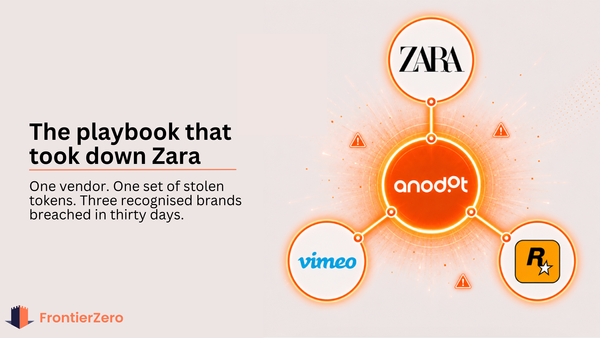
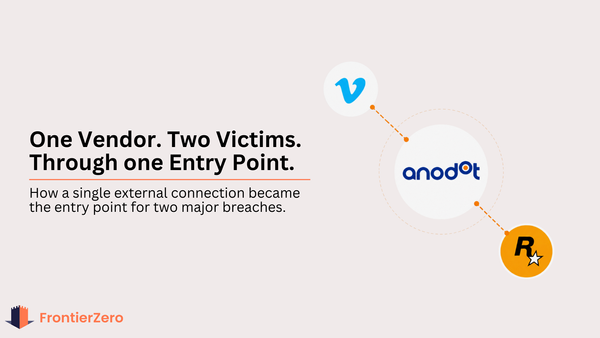
ShinyHunters didn't hack Zara, Vimeo, and Rockstar separately. They compromised one vendor and got all three. Here's the exact playbook they used.
Third-party
ShinyHunters didn't hack Zara, Vimeo, and Rockstar separately. They compromised one vendor and got all three. Here's the exact playbook they used.
SaaS Security
Vimeo was breached through Anodot, a third-party analytics tool. So was Rockstar Games. Same vendor, same month. This is no longer a pattern. It's the playbook.
Third-party
Rockstar wasn’t breached through their own systems. Attackers compromised a vendor, used legitimate access into Snowflake, and walked away with 78.6 million records, without triggering a single alert.
Third-party
HackerOne wasn’t breached directly. A supplier was. One vulnerability exposed millions across multiple organisations. This is how modern attacks really happen, and why most companies still don’t see the risk.
Cybersecurity
Attackers didn’t breach Crunchyroll’s systems, they logged in through a compromised vendor account. The incident highlights a growing risk: third-party access across SaaS environments.
SaaS Security
A breach at Conduent exposed the data of 25 million Americans after attackers remained inside the vendor’s systems for three months.
Shadow IT
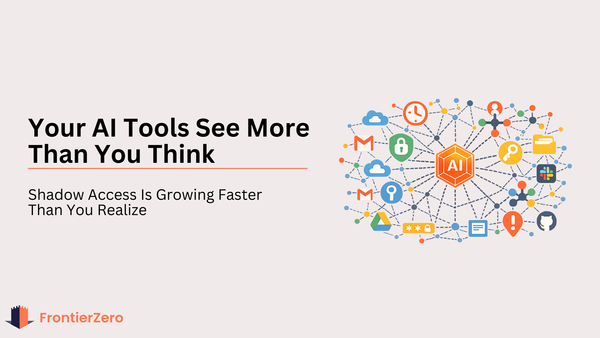
AI tools are spreading across organizations faster than most security teams can track. Each OAuth login or SaaS integration can quietly create persistent access to company data, often without centralized visibility.