Shadow IT Your AI Tools Have More Access Than You Think. AI tools are spreading across organizations faster than most security teams can track. Each OAuth login or SaaS integration can quietly create persistent access to company data, often without centralized visibility.
SaaS Security Featured Why Microsoft Security Gives You Confidence, But Not the Full Story Microsoft gives strong identity visibility, but only inside Microsoft. This explains where today’s SaaS attacks actually start.
Cybersecurity Featured Nissan Data Breach: What Really Happened In December, Nissan lost customer data — even though its own systems weren’t hacked. The problem came from an external platform with standing access. Read how this happened, why it keeps repeating, and what security teams should change.
SaaS Security Your Organisation Runs on More Than Google. Your Security Should Too Google-native companies tend to move quickly. Their teams adopt new tools early, automate workflows efficiently, and rely on the browser as the central work environment. This speed is rarely a “security issue”; it’s a modern pattern that emerges naturally when companies build on a flexible, cloud-first platform like Google
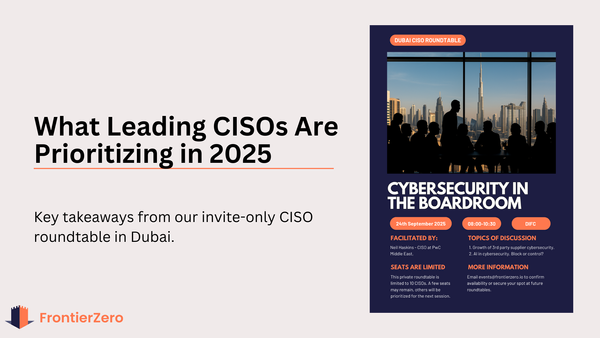
Roundtables Cybersecurity in the Boardroom: Key Insights from the FrontierZero CISO Roundtable Our closed-door CISO roundtable in Dubai highlighted a major shift: the perimeter is gone, and real-time identity behavior now defines effective security.
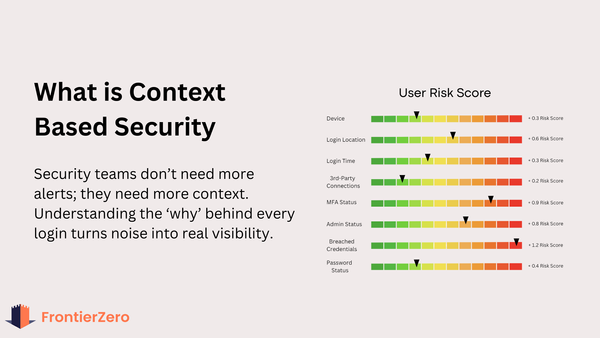
SaaS Security What Is Context-Based Security (and Why the Old Way Doesn’t Work Anymore) Most breaches slip through not for lack of alerts, but for lack of context. Context-based security brings clarity to chaos — helping teams focus on what’s real.
Cybersecurity Featured One Contractor, Global Consequences: How Identity Risk Crippled Jaguar Land Rover Jaguar Land Rover lost millions when one contractor account went unchecked. This wasn’t a system failure; it was a visibility failure. Here’s what every CISO can learn about identity risk and supply chain trust.
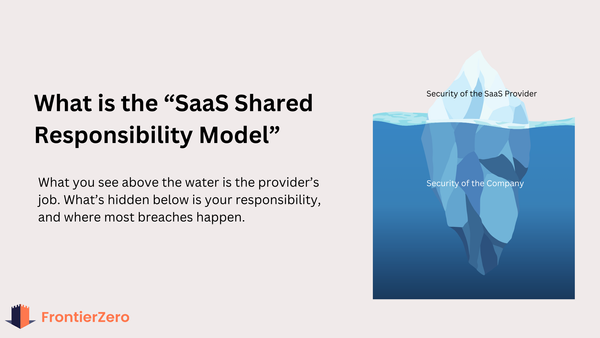
SaaS Security Featured SaaS Shared Responsibility: What Security Leaders Must Know SaaS providers secure the platform. You’re responsible for everything inside it: users, vendors, permissions, and risk. This blog breaks down where responsibility lies, what’s commonly missed, and how CISOs can prevent the most common SaaS breaches.
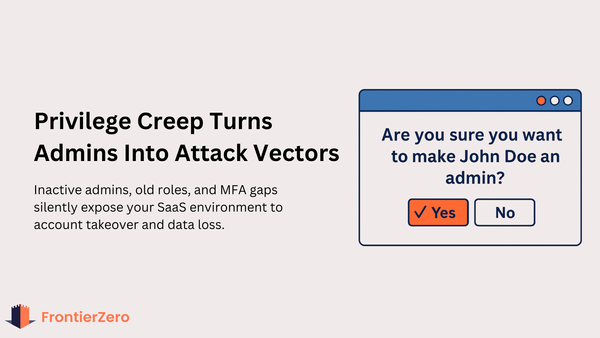
SaaS Security Privilege Creep: The Hidden Backdoor Hackers Exploit in Your SaaS Environment Privilege creep happens when users accumulate admin access over time. In SaaS environments, this creates invisible risk: inactive accounts, missing MFA, and external admins hackers love to exploit. Here's how to find and fix it before it’s too late.
Shadow IT The Top 5 Departments Most Likely to Use Shadow IT Discover the 5 departments most likely to introduce it into your SaaS environment.
Boardroom Middle East Boardroom Brief: 5 Critical Data Breach Takeaways Insights from the 2025 IBM Cost of a Data Breach Report
SaaS Security Top 5 Takeaways for CISOs from the 2025 IBM Cost of a Data Breach Report The latest IBM Cost of a Data Breach Report just dropped—and while headlines focus on global averages, the real insights for CISOs lie deeper. From regional cost surges to the hidden price of Shadow AI, here are five takeaways you can use to protect your organization in 2026 and beyond.
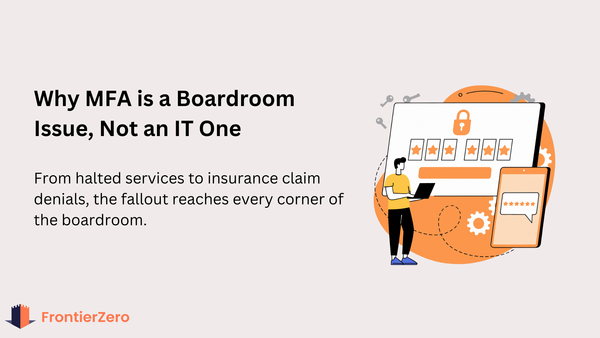
MFA Why MFA is a Boardroom Issue, Not an IT One. MFA gaps aren’t just an IT problem—they’re a boardroom risk. Learn how to spot exposed users, admins, and apps in minutes, not months.
SSPM What is SSPM and why it’s essential in 2026. SaaS tools are the new business layer, but they’ve created a visibility gap security teams can’t ignore. This guide explains what SSPM is, why it matters, and how FrontierZero brings identity and context together to reduce risk where it matters most.
SaaS Security How Many Users in Your SaaS Stack Don’t Actually Work There? Orphaned SaaS accounts are the invisible risk lurking in every organization. Learn how ex-employees, contractors, and automations keep access long after offboarding — and why modern security teams are shifting to identity + context to shut it down.
ITDR What Is ITDR, and Why It’s Essential for Securing SaaS in 2025 SaaS has changed the identity perimeter. In this guide, we break down what ITDR means, why legacy tools miss SaaS threats, and how to catch ghost access.
SaaS Security The Security Perimeter Is Gone, And That Changes Everything About How You Defend Your Business SaaS sprawl, shadow IT, and unmanaged OAuth connections have made the old perimeter obsolete. Here’s what security teams must do to adapt—and how leading CISOs are solving it.
News 🏆 FrontierZero Named “Rising Star in Cyber Defence 2025” at CSC Awards FrontierZero—founded in the UAE and built for modern SaaS security—has just been named Rising Star in Cyber Defence 2025. Here's what it means and what’s next.
SaaS Security The Shocking Cost of Insider Risk in 2025—and What You Can Do About It Insider risk now costs organizations $17.4 million a year—and most of it isn’t caused by malicious actors. In this blog, we break down why insider incidents are rising, what’s fueling them, and how to reduce exposure with identity-aware visibility.
The Rise of Identity Fraud: What Every Enterprise Needs to Know in 2025 Identity fraud surged 17% last year—and it's not just hitting banks. From synthetic IDs to SaaS logins, attackers are targeting the enterprise. Learn why identity is your new perimeter, and how to defend it.
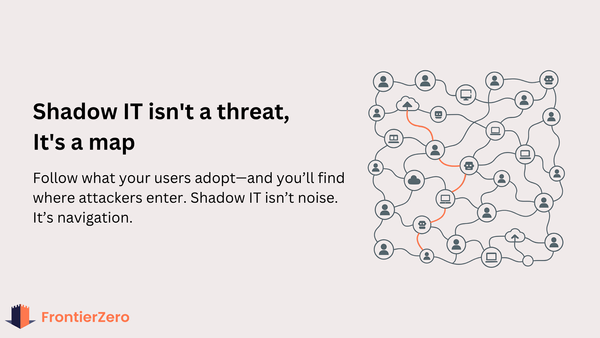
Shadow IT Shadow IT Isn’t a Threat. It’s a Map. Shadow IT is no longer a minor inconvenience—it’s one of the biggest hidden risks in your organization. From unsanctioned AI tools to invisible SaaS adoption, attackers follow the same paths your employees create. Here’s how to uncover the map before they do.
SaaS Security The Hidden Risks of SaaS Supply Chain Attacks, And How to Stay Ahead SaaS supply chain attacks are on the rise—and most security teams aren’t ready. From OAuth abuse to shadow integrations, this post breaks down where the real risk hides and how visibility helps you stay secure.
Press Release FrontierZero Signs Distribution Agreement with Cyber Shield to Expand SaaS & AI Security Across Saudi Arabia FrontierZero partners with Saudi-based CyberShield to expand SaaS and AI security across the Kingdom, supporting compliance-driven sectors with real-time visibility, identity protection, and smarter risk management.
Cybersecurity How to Secure Google Drive: Best Practices for SaaS Environments Google Drive can be secure—but only if it’s configured the right way. From access control to third-party risks, here’s your 2025 checklist for locking it down.
SaaS Security Why Attackers Are Targeting Your SaaS Stack—And What to Do About It Attackers don’t need to hack in—they just log in. With over 300 SaaS apps in the average company, shadow tools, weak MFA, and identity sprawl create easy entry points for modern breaches. Learn how attackers move laterally through your SaaS stack—and what security teams can do to stop it.